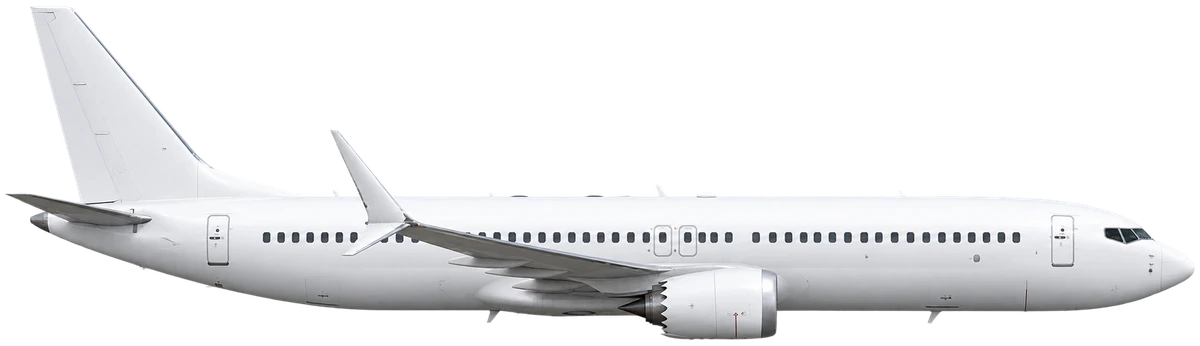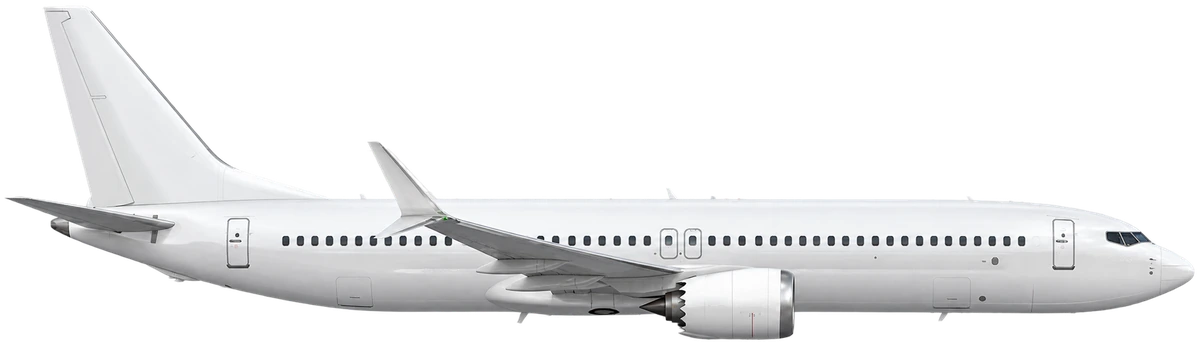
Boeing E-7A Wedgetail (RAAF)
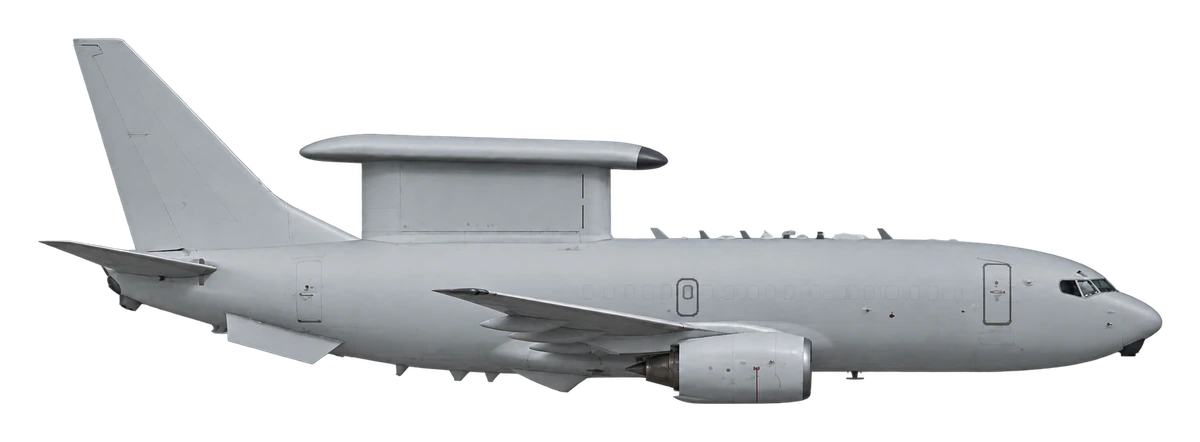
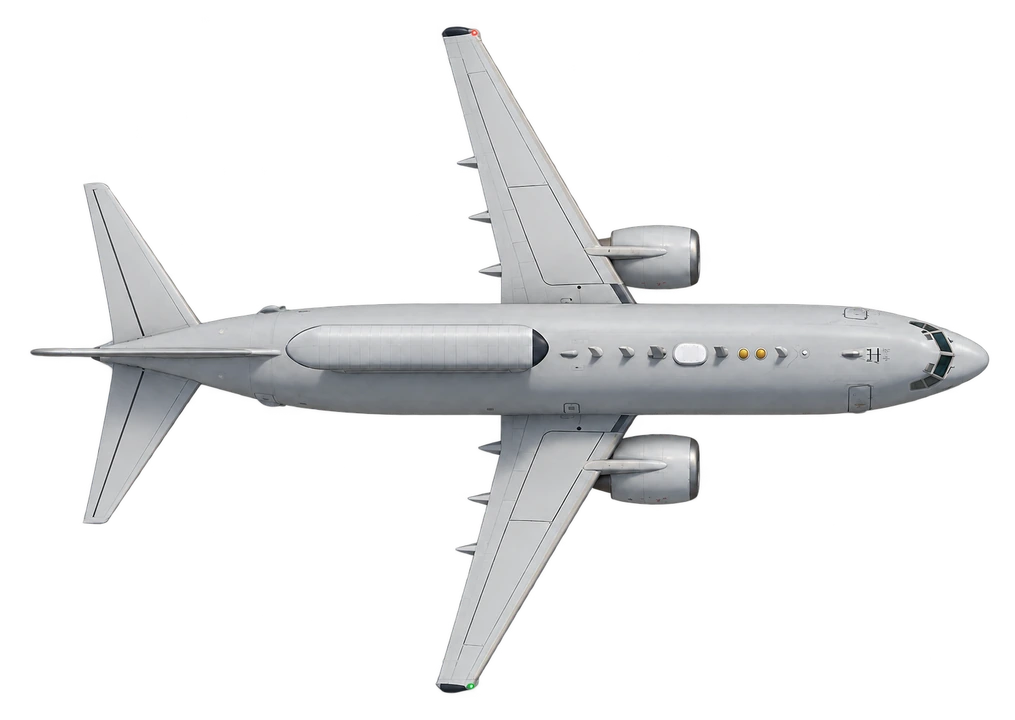
Explore the Boeing E-7A Wedgetail (RAAF) in side view and top view to compare its silhouette and proportions.
From Wikipedia
The Boeing E-7 Wedgetail, also marketed as the Boeing 737 AEW&C, is a twin-engine airborne early warning and control aircraft originally designed for the Royal Australian Air Force (RAAF). Based on the Boeing 737 Next Generation design, it has a fixed active electronically scanned array (AESA) radar antenna instead of a rotating one as with the 707-based Boeing E-3 Sentry. The E-7 was designed for the RAAF under "Project Wedgetail" and designated E-7A Wedgetail.
Summary of “Boeing E-7 Wedgetail” from Wikipedia, the free encyclopedia, used under CC BY-SA 4.0. Retrieved 2026-10-11.
Download
Free to use, with credit
Use these drawings for anything, commercial too, under Creative Commons Attribution 4.0 International. Credit us like this:
Drawing of the Boeing E-7A Wedgetail (RAAF) by AirwayControl Aircraft Library (https://aircraft.intelsystems.ai/aircraft/E737/), CC BY 4.0Specifications
- Length
- 33.6 m110.2 ft
- Wingspan
- 34.3 m112.5 ft
- Max take-off weight
- 77.56 t171,000 lb
- Cruise speed
- 760 km/h472 mph
- Max speed
- 955 km/h593 mph
- Range
- 7,040 km4,374 mi
- Ceiling
- 12,497 m41,000 ft
- Engines
- 2 × CFM International CFM56-7 turbofans
- Power
- 27,300 lbf thrust each
- First flight
- 2004
- In service
- 2012
From the AirwayControl spec register, curated from Wikipedia and manufacturer pages. Figures vary by variant.